How to Verify Vehicle Ownership Online in Pakistan
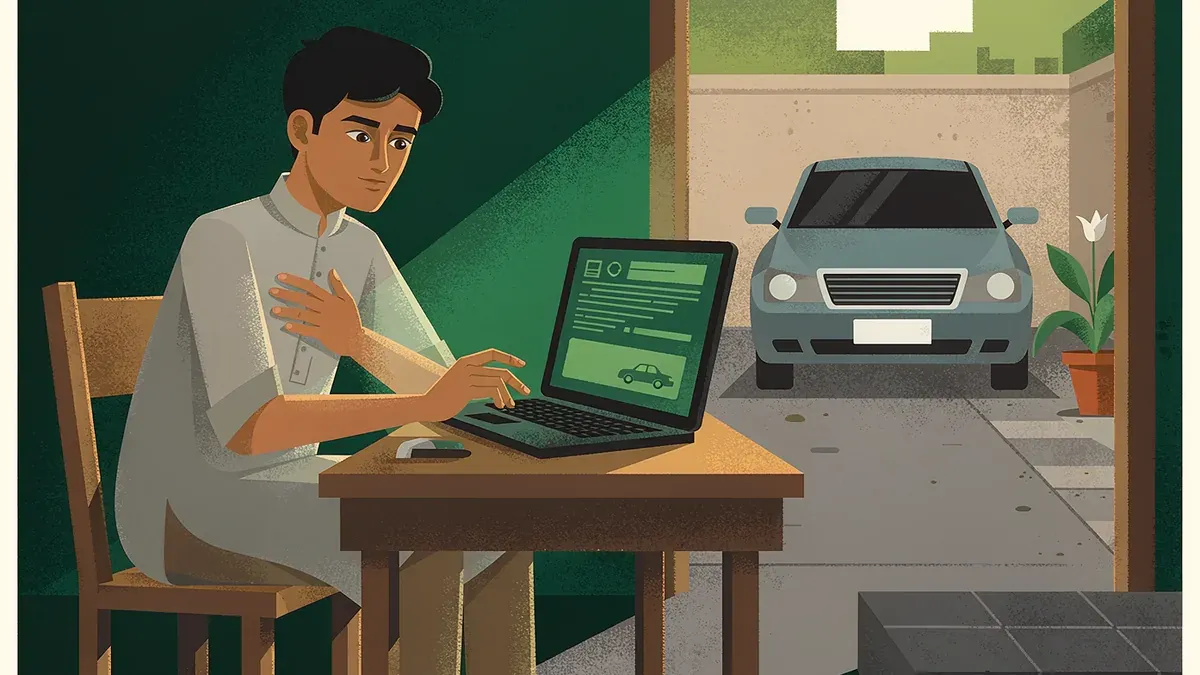
Verify vehicle ownership online by registration number: see what the provincial lookup returns, which fields to match, and what the result means.

Showing 25–36 of 77 step-by-step guides across 6 topics.
Verify vehicle ownership online by registration number: see what the provincial lookup returns, which fields to match, and what the result means.
Vehicle transfer of ownership in Pakistan runs through sale letter, application, verification, fee and record update. Confirm your province's current fee first.
Token tax in Pakistan is the annual provincial road tax on a registered vehicle, charged by engine size or category. Rates differ in every province.
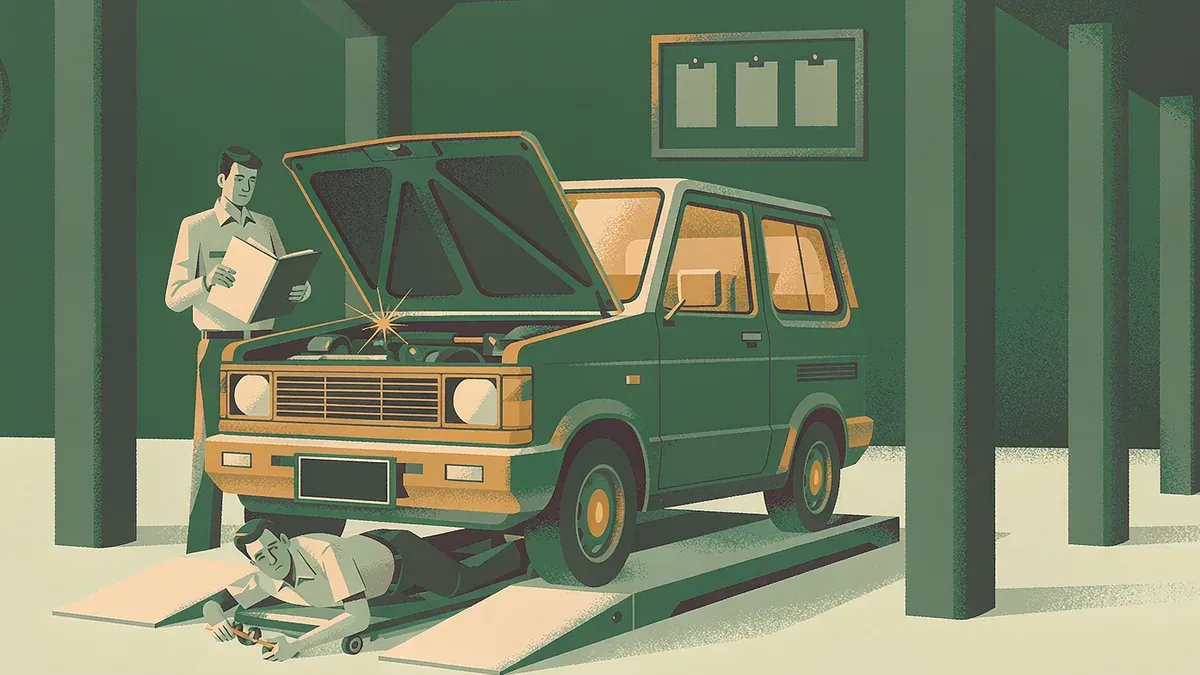
Apply for a Pakistan vehicle fitness certificate with confidence: documents, fee payment, inspection booking, test day and refusal reasons explained.
Registering a new vehicle in Pakistan runs from sale invoice to number plate in six clear steps. See the right order and who files each part.
Understand how traffic challans work in Pakistan: what triggers an e-challan, how to check your vehicle or licence, how to pay and how to dispute one.
Before you pay for a used car: documents, engine and chassis number matching, verification lookup, token tax status, seller CNIC and sale letter.
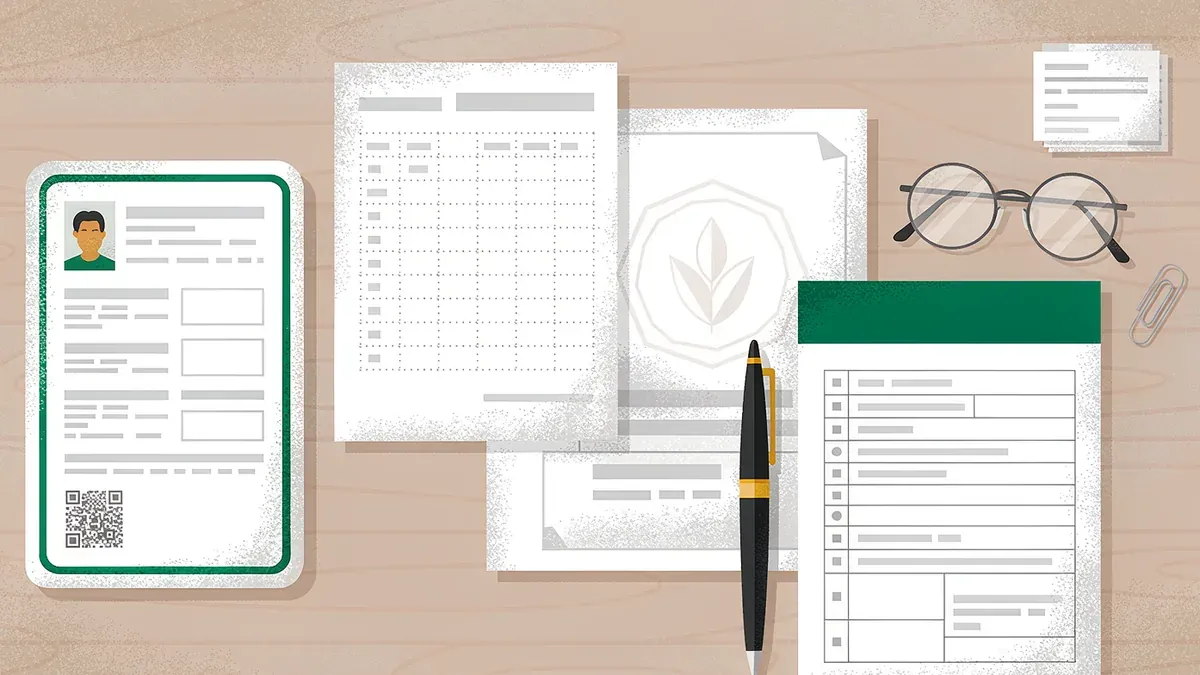
Documents required for vehicle transfer in Pakistan: registration book, CNIC copies, sale letter, token tax clearance. Check your province's checklist.
Pay token tax in Pakistan by bank payment slip, online or mobile banking, or the provincial portal. Always keep the paid challan as proof of payment.
A vehicle fitness certificate proves roadworthiness. Learn who needs one in Pakistan, how long it stays valid, and how it differs from token tax.
Vehicle registration needs CNIC, sale invoice, origin papers, forms and a paid slip. See what each proves and the remedy when one is missing.
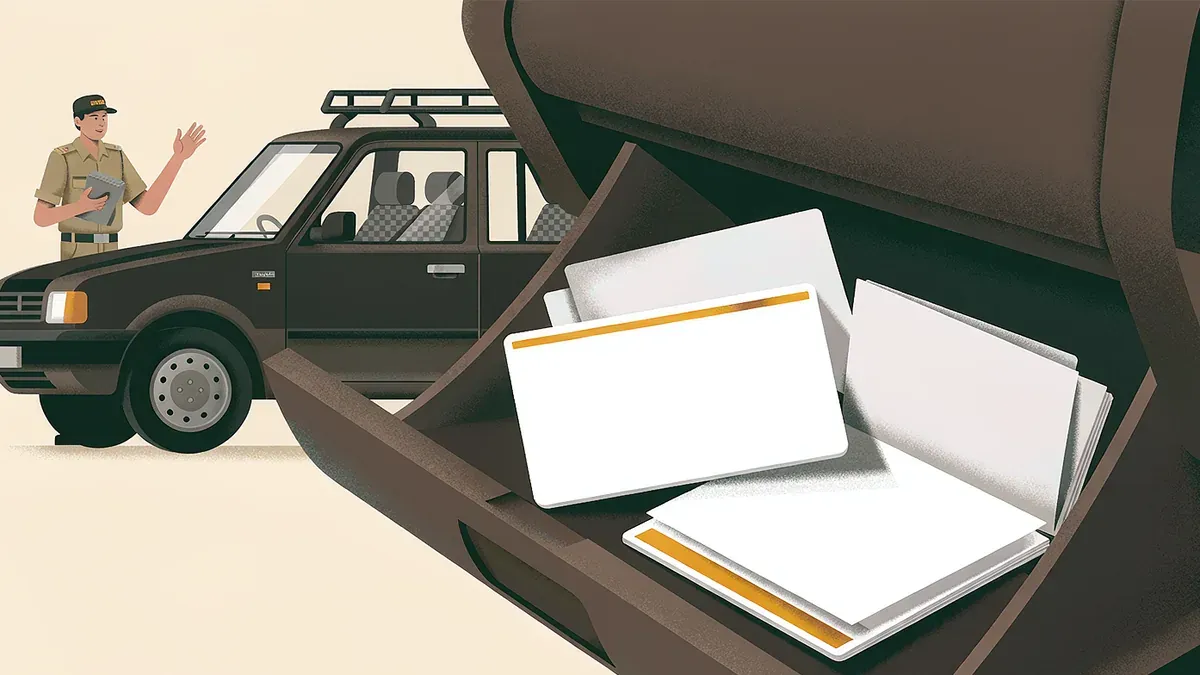
Which documents Pakistani drivers should carry: licence, registration, insurance, token tax proof, fitness certificate and the right way to replace a lost one.