Is Vehicle Verification Necessary? An Honest Answer for Buyers
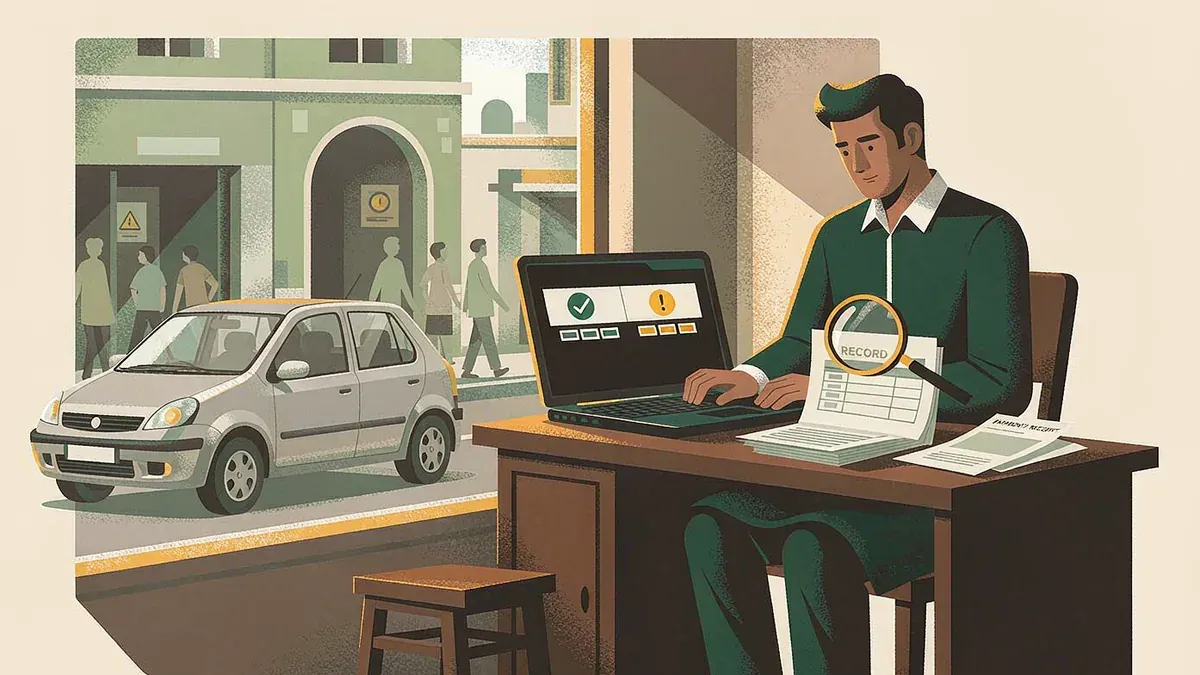
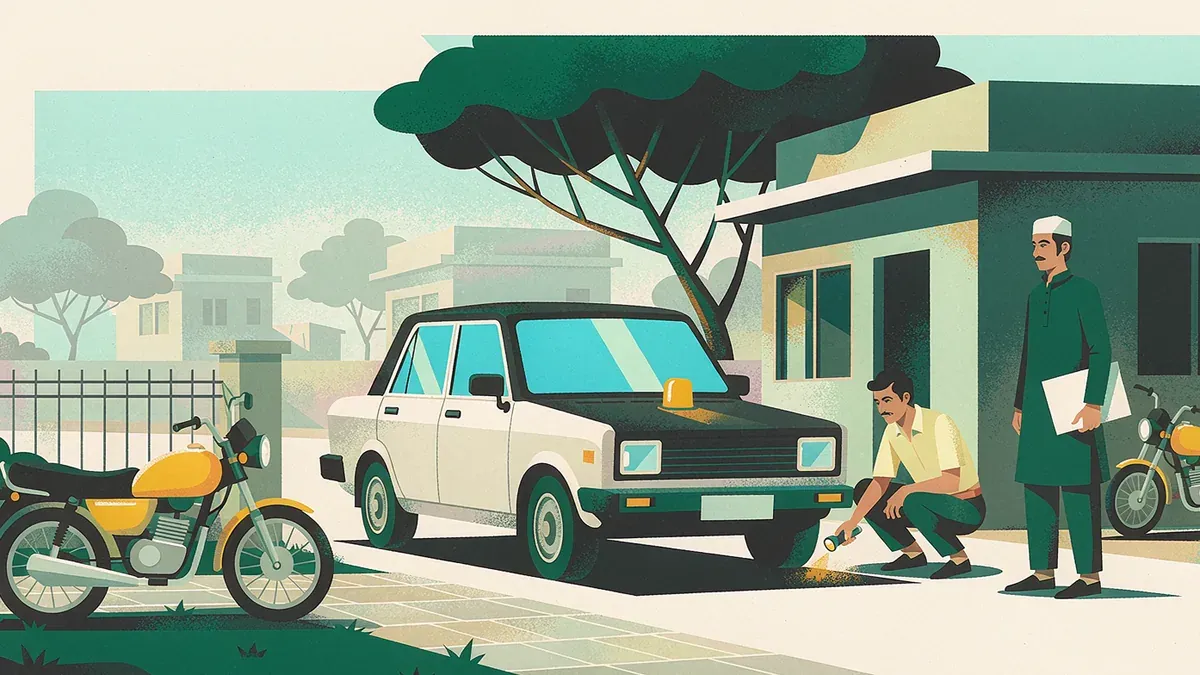
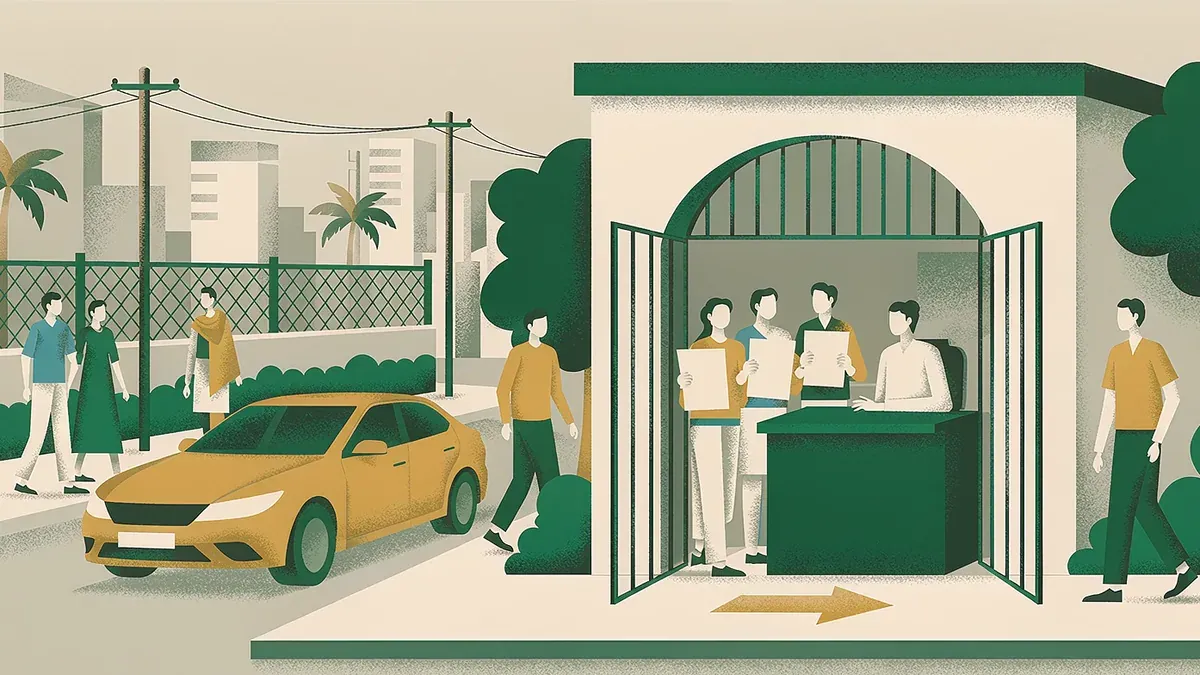
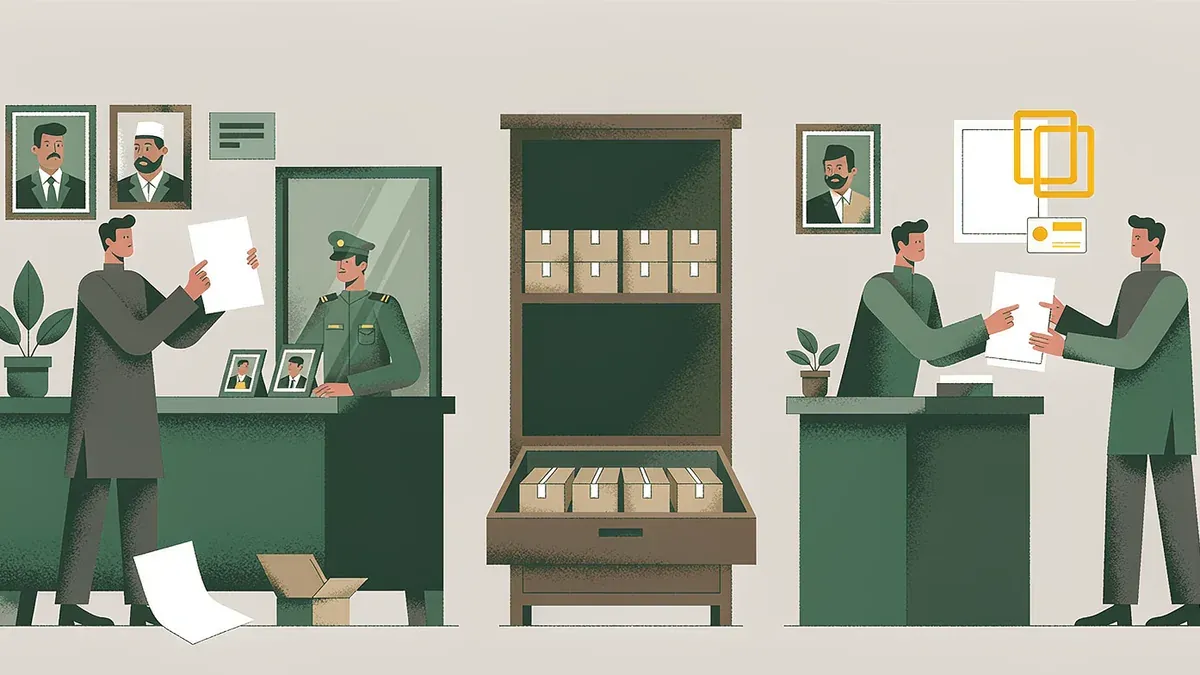
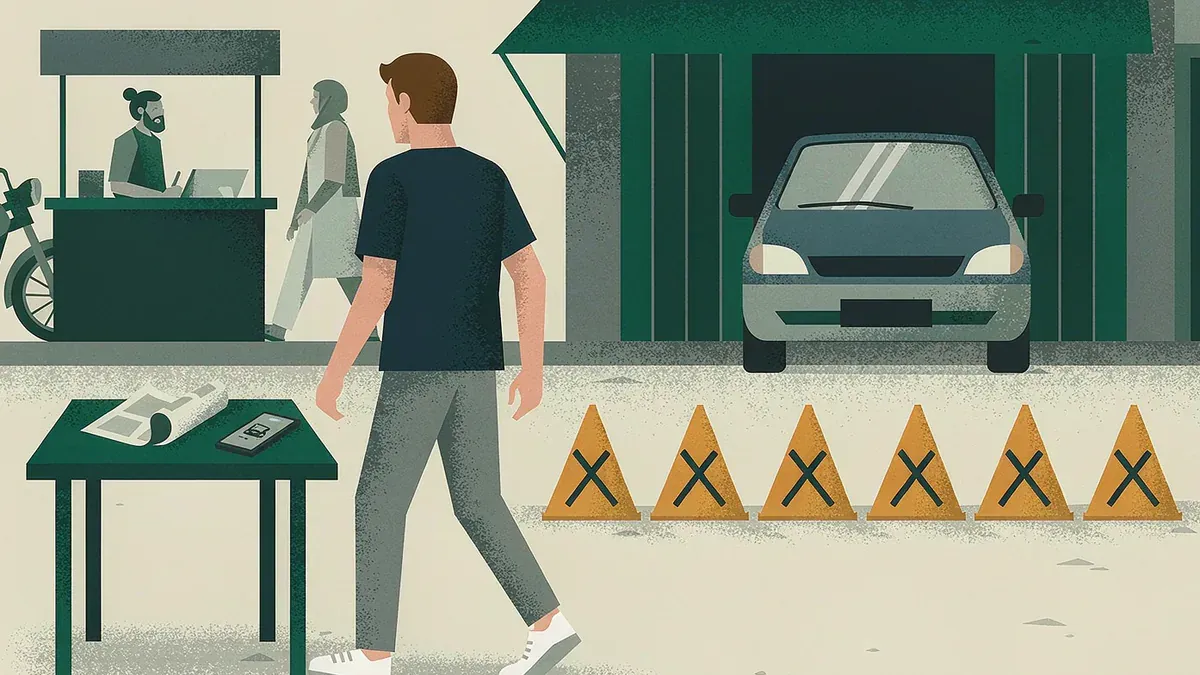
Vehicle verification is not usually a legal duty, but it protects against disputed ownership and unpaid dues. See when it helps and where it fails.

Showing 49–60 of 77 step-by-step guides across 6 topics.
Vehicle verification is not usually a legal duty, but it protects against disputed ownership and unpaid dues. See when it helps and where it fails.
Check transfer status by pulling the ownership record against the registration number. See what each status means and what to do if it stalls.
Check token tax status in Pakistan against your registration number, then fix any mismatch with the department before a transfer or fitness check.
Private cars follow a lighter fitness route than commercial vehicles. Learn the events that trigger an inspection and how the two routes differ.
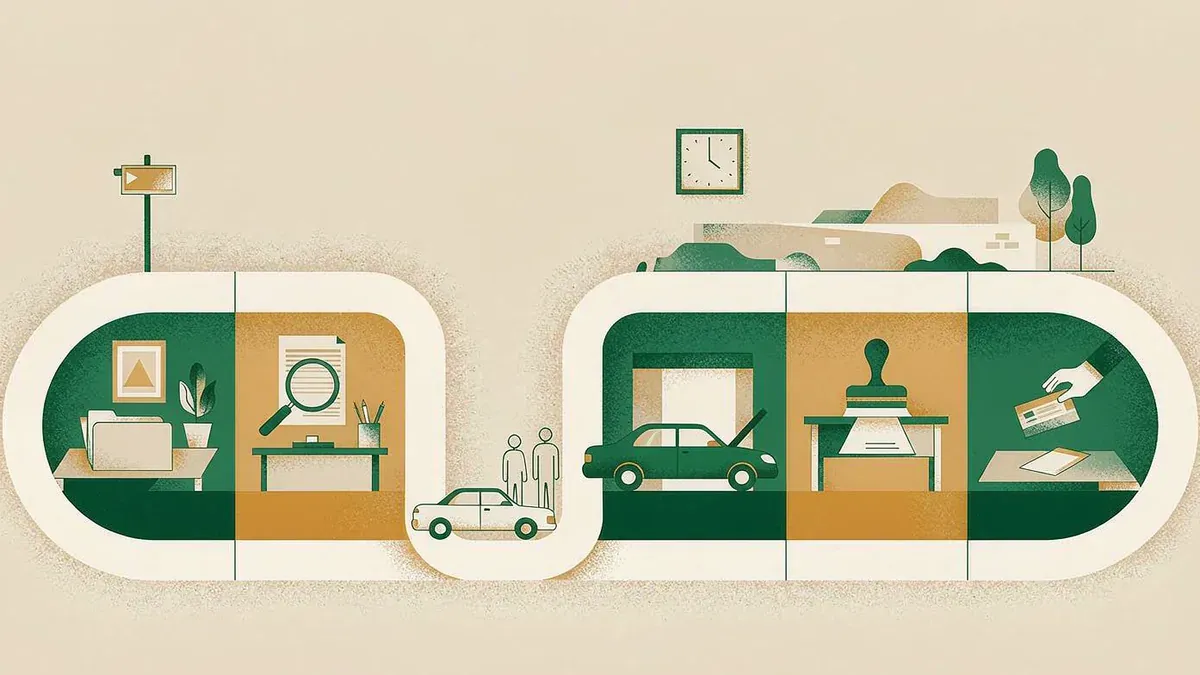
Vehicle registration runs through paperwork, verification, inspection and plate production. See realistic timelines per stage and how to check progress.
A CNIC vehicle search lists vehicles recorded against an identity number. Learn what it shows, why the data can be stale, and its privacy limits.
Vehicle transfer rules cover who may apply, seller attendance, clearance of dues, financed vehicles and registrations held in another province.
Compare token tax for cars, motorcycles and commercial vehicles in Pakistan and learn what each vehicle group is actually charged on each year.
Fitness certificate fees are built from inspection, certificate and levy components. Learn how the total is structured and where to confirm it.
Lost your registration book or smart card? File a police report, apply to your province, pay the duplicate charge and collect the replacement.
Trusting printouts, skipping the chassis check and verifying after paying are costly errors. Learn the five verification mistakes buyers make.
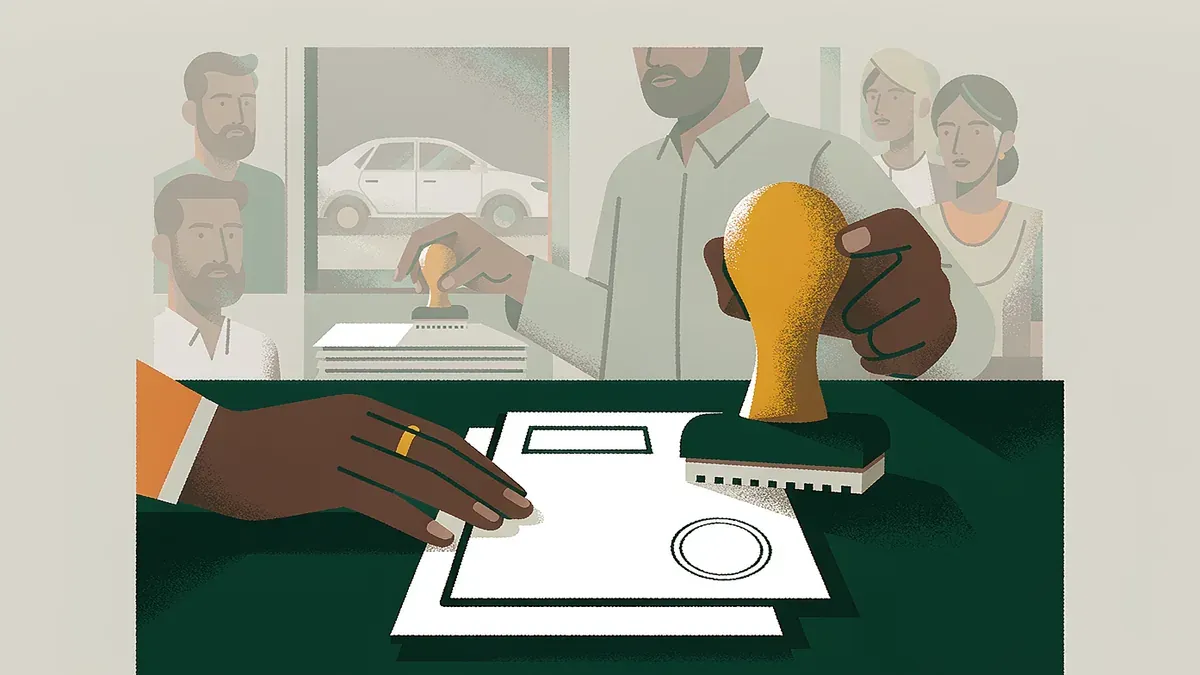
Stamp duty on a vehicle transfer is a provincial charge on the sale instrument. Learn how it is worked out, who pays and how to confirm the rate.