
Verification
Is Vehicle Verification Necessary? An Honest Answer for Buyers
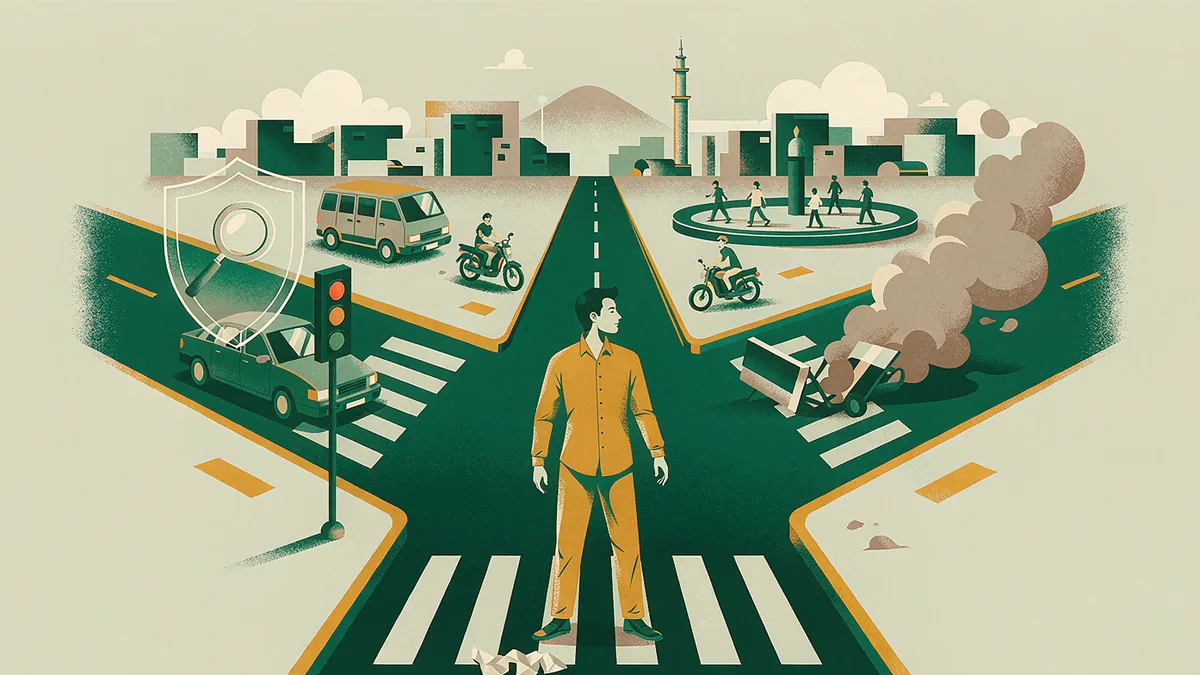
Key takeaways
- The legal duty is usually the transfer; verification protects you in the meantime
- A check catches the wrong seller, arrears and a vehicle already sold on
- It says nothing about condition, accident history, finance or mileage
- Provincial records lag, so check twice rather than once
Yes, verification is worth doing on every used vehicle purchase, and in most provinces it takes minutes and costs nothing through the provincial vehicle verification portal. Strictly speaking, the legal requirement usually sits on the transfer of ownership rather than on the check itself — the law expects the vehicle to be transferred into the buyer's name, and verification is simply how you confirm the thing you are buying is what it claims to be. Treat the check as protection you choose, not as paperwork the state demands.
What the law actually requires
Two obligations are real and worth separating from everything else. First, the transfer of ownership: once a vehicle changes hands, the record should be updated with the registration authority, and both parties generally carry a duty to see it done within the period the province sets. Second, driving a vehicle that is not correctly recorded — unregistered, or still recorded against a previous owner — can attract a challan and complications in an insurance claim.
Verification itself is not normally imposed as a standalone legal duty on a buyer. It is a step that makes the first obligation safe. You can complete a purchase without ever checking the record, and plenty of people do, but the consequences of being wrong fall entirely on the buyer.
What it protects you from
The value of a check lies in the specific failures it catches before they become yours.
- A seller who is not the owner. The record names one person; the person selling you the vehicle may be holding it on behalf of someone else, or may have bought it without ever completing a transfer themselves.
- A vehicle already sold on. Where a seller takes deposits from several buyers, an early honest buyer is often the one who loses out. Checking a second time just before payment narrows that window considerably.
- Unpaid token tax. Arrears attach to the vehicle, not the person who skipped payment. Whatever the provincial record shows as outstanding typically becomes your starting balance.
- A vehicle that does not physically match its record. Comparing chassis and engine numbers against the registration book catches vehicles assembled from more than one source.
- Wrong classification. A vehicle recorded for commercial use carries fitness obligations and a different tax treatment that a buyer relying on appearances would miss.
What a clean record does not cover
A clean verification result means the record matches what you were told. That is narrower than people assume, and reading too much into it is how cautious buyers still end up disappointed.
A verification says nothing about the mechanical condition of the vehicle, whether it has been in a serious accident, whether the odometer reading is genuine, or whether the seller has a financing arrangement over it. Those need an inspection, a workshop visit and a direct question about outstanding finance.
| Verification tells you | Verification does not tell you |
|---|---|
| Whose name is on the record | Whether the engine is sound |
| Whether token tax is current | Whether finance is owed on the vehicle |
| Vehicle class, make and capacity | Whether the mileage is genuine |
| Some provinces: challan or transfer status | Whether the seller has the legal right to sell |
When it will not save you
Verification has real limits, and knowing them is more useful than over-trusting the process.
- Records lag. A transfer submitted yesterday can take days or weeks to appear, so a fresh seller visited today may not yet show.
- The record can be wrong. Older paper files entered into databases contain transcription errors in names and numbers. Nothing in the check itself corrects that.
- It covers one province. Each province keeps its own data. A vehicle brought across a provincial line needs its record checked where it is registered.
- Fresh obligations appear after you check. A new challan issued after your lookup will not appear in it, which is why a second check before payment is worth more than one careful check at the start.
- It cannot recover money already paid. Verifying after paying means knowing the answer when it no longer changes anything.
Taken together, these argue for verification as one layer rather than a guarantee: combine it with a written sale agreement, prompt submission of the transfer, and a follow-up check confirming the record carries your name.
The decision is simple enough to make in one line — a few minutes of checking costs almost nothing, and the failures it catches are expensive, so run it twice on every purchase worth your savings.
Keep reading
How to Verify Vehicle Ownership Online in Pakistan
Verify vehicle ownership online by registration number: see what the provincial lookup returns, which fields to match, and what the result means.
How to Verify a Used Car Before Buying in Pakistan
Before you pay for a used car: documents, engine and chassis number matching, verification lookup, token tax status, seller CNIC and sale letter.
Which Documents and Numbers You Need Before a Vehicle Verification
Vehicle verification needs your registration number, owner CNIC and chassis number. See why each is required and what to do if one is missing.