
Transfer
Vehicle Transfer of Ownership Process in Pakistan: Step by Step
Key takeaways
- A sale letter proves the sale; only a completed transfer changes the official owner record.
- Five steps: sale letter, application, verification, charge payment, updated registration record.
- Buyer and seller should attend together, or set a short written transfer deadline.
- Confirm the current transfer fee schedule with your provincial excise department.
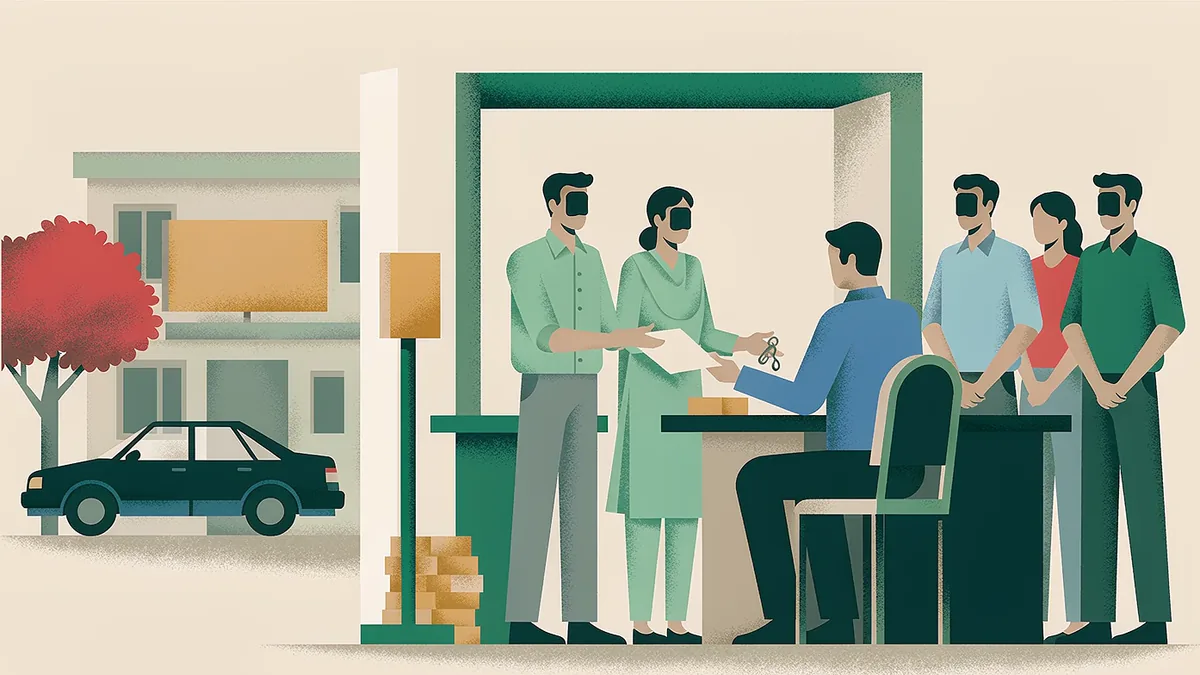
Transferring a vehicle in Pakistan means changing the registered owner in the provincial excise and taxation department's record, and the process runs through five steps: a sale letter, an application, verification, payment of the transfer charge, and an updated registration record. A signed sale letter on its own does not put the vehicle into your name. This guide sets out the sequence in the order you will actually complete it.
What transfer of ownership means
Ownership of a registered vehicle is recorded in two places: the registration book or smart card the keeper holds, and the database maintained by the registering authority. A transfer of ownership changes both. Until that change is made, the seller remains the registered owner for every official purpose while the buyer holds and drives the vehicle.
That split is exactly why transfers matter. If a challan is issued against the vehicle, if token tax falls unpaid, or if the vehicle is traced after an incident, the authority follows the name on its own record. A private sale letter does not redirect that. It is evidence that a sale happened, not a change of record.
What both parties need before starting
A transfer is a joint action. The seller signs the sale documentation and hands over the registration book or smart card; the buyer applies and pays. Where one side is absent or a document is missing, the file stalls. Confirm these points before you book an appointment:
- the registration book or smart card is original, and the chassis and engine numbers on it match the numbers stamped on the vehicle
- the CNIC of both buyer and seller is valid, and clear copies are available
- token tax is paid up to the current period, or the parties have agreed in writing who clears the shortfall
- no finance, lease, hypothecation or court attachment is recorded against the vehicle
Each province runs its own transfer procedure and publishes its own fee schedule. Punjab, Sindh, Khyber Pakhtunkhwa, Balochistan and the Islamabad Capital Territory differ on forms, verification steps and charges. Confirm the current schedule with your provincial department before you pay anything.
The transfer process step by step
- Prepare the sale letter or sale deed. Both parties sign it. It records the buyer, the seller, the vehicle details, the sale date and the agreed price. Use stamp paper where your province requires it, and keep one copy each.
- Complete the transfer application. The buyer submits the application to the registering authority with the sale letter, the registration book or smart card, and CNIC copies of both parties attached.
- Attend verification. The authority checks the vehicle record and, in most cases, physically verifies the chassis and engine numbers. Biometric verification of one or both parties is part of the process in several provinces.
- Pay the transfer charge and clear dues. The transfer charge is set by the province and varies by vehicle type and engine capacity. Outstanding token tax is normally cleared at this stage.
- Collect the updated record. The buyer receives a registration book or smart card in their own name. Check the printed name, CNIC and vehicle details before you leave the counter.
Why a signed sale letter alone is not enough
A sale letter proves a transaction took place. It does not update a department database. Buyers who rely on it discover later that they cannot sell the vehicle on, cannot obtain a fitness certificate in their own name, and cannot settle a challan that was issued against someone else's name. Sellers who rely on it keep receiving challans and token tax demands for a vehicle they no longer drive.
The practical safeguard is simple. Complete the transfer at the time of sale, or set a short written deadline and hold back part of the payment until the updated record is collected. That protects both sides, and it costs one joint visit.
After the transfer is complete
The buyer should read the new registration record against the vehicle and store the sale letter with it. The seller should keep their own copy of the sale letter plus any transfer receipt, because together they are the evidence that the vehicle left their ownership on a known date.
Confirm the current transfer charge and document list with your provincial excise and taxation department, then complete the transfer with both parties present rather than postponing it. A finished transfer is the only version of the sale that holds up against the official record.
Keep reading
Documents Required for Vehicle Transfer in Pakistan
Documents required for vehicle transfer in Pakistan: registration book, CNIC copies, sale letter, token tax clearance. Check your province's checklist.
Vehicle Transfer Charges in Pakistan: How the Total Is Worked Out
Vehicle transfer charges in Pakistan combine a transfer fee, stamp duty, document issue and dues. See how the total varies and confirm it before paying.
What Happens If a Vehicle Transfer Is Never Completed in Pakistan
If a transfer is never completed, the record still names the seller. See the risks for both sides in Pakistan and how to restart a stalled transfer.