
Transfer
Vehicle Transfer Mistakes Buyers Make in Pakistan and How to Steer Clear
Key takeaways
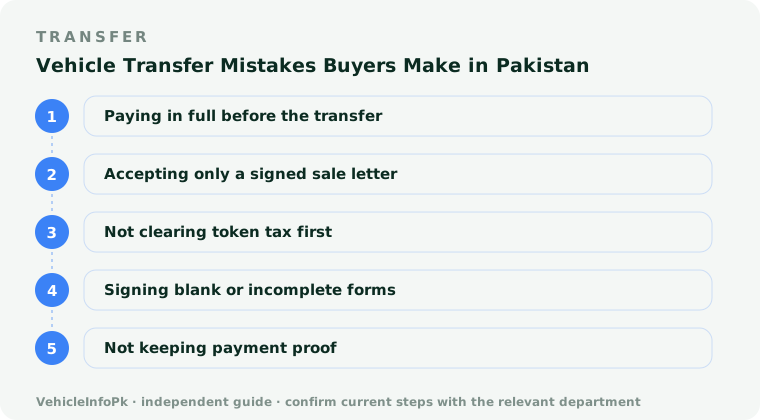
- Hold part of the price until the ownership record names you.
- A sale letter records the deal; only a registered transfer transfers ownership.
- Check token tax and challans before agreeing a price.
- Keep the transfer fee receipt and the application reference until completed.
The mistakes buyers make in a Pakistani vehicle purchase usually cluster around one thing: paying before the ownership record moves. Handing over the full price, accepting a signed sale letter as proof of ownership, skipping the token tax check and relying on the seller to file later all leave the buyer exposed once the transaction is done. This guide sets out the errors that most often stall a transfer, and what to do instead at each step.
Paying in full before the transfer
Once the full price has been paid, the buyer has very little left to encourage the seller to attend the transfer office. Files stall not because either party intends trouble, but because the person with no further obligation finds the visit inconvenient.
- Keep a portion back. Hold a part of the price until the excise and taxation department record names you, and release it on that basis.
- Fix the timing in writing. State in the sale terms that the balance becomes due on completion of the transfer.
- Agree who pays the costs. Transfer charges, stamp duty where it applies and arrears should each be allocated before payment day.
- Pay traceably. A bank transfer or pay order records what moved between whom. Cash does not.
Delay compounds the problem. Where the record still names the seller months later, challans reach them rather than you, you cannot sell or transfer the vehicle onward yourself, an insurance claim becomes harder because ownership is unrecorded, and a seller who has since moved or changed CNIC records can be difficult to reach when you finally need them.
Accepting only a signed sale letter
A sale letter or sale deed records that the parties agreed a sale. It does not update any government record, and it is not ownership.
- The transfer completes the sale. Until the ownership record names the buyer, the seller remains the recorded owner for challans, tax and any enquiry involving the vehicle.
- Check the seller is the recorded owner. Some sellers are themselves holding a vehicle on an unregistered sale letter, and there is nothing they can pass on.
- Match identities. The seller's name and CNIC must agree with the ownership record.
- Do not accept the vehicle alone. Taking possession without checking the record is how buyers end up with a vehicle they cannot later sell.
Not clearing token tax first
Outstanding token tax and recorded penalties generally have to be dealt with as part of the transfer, and they attach to the vehicle rather than to whoever drove it.
- Check before agreeing a price. Look up the vehicle's tax position against its registration number, and check for recorded challans.
- Treat arrears as a price issue. A vehicle with several unpaid years is worth less than the asking figure suggests.
- Write down who clears them. Agree in the sale terms whether the seller settles arrears or the price reflects them.
- Do not rely on a verbal assurance. Check the record yourself on the day, not only when the deal is struck.
A vehicle offered cheaply with "tax pending" often carries more arrears than the discount covers. Check the record before you negotiate, not after.
Signing blank or incomplete forms
Forms and instruments should be read before signing, and completed in one sitting.
- Never sign an empty or partly filled form. Whatever is added afterwards becomes binding on you.
- Check every vehicle identifier. Chassis and engine numbers, registration number and engine capacity must match the registration book or smart card.
- Check names and CNIC numbers against the original documents. A single wrong digit holds the file at examination.
- State the real price. A value written purely to produce a lower duty figure can cause questions for both parties later.
- Sign in the presence of the other party where possible, and take a copy of everything signed.
Not keeping payment proof
Receipts are what allow a file to be traced, a payment to be shown, or a dispute to be settled. Keep them for every step: the price paid, evidenced by bank record or pay order counterfoil; the sale letter or sale deed signed by both parties; the transfer fee challan and any stamp duty receipt; the application reference given when the file is filed; and every acknowledgement issued by the department. Store copies separately from the vehicle, and do not hand originals to anyone who asks to hold them.
Make the transfer part of the deal rather than a task for later: check the record before paying, hold back part of the price until it names you, and keep every receipt and reference together. Confirm next with your provincial excise and taxation department what your specific transfer requires, then file once with documents that match the existing record exactly.
Keep reading
Vehicle Transfer of Ownership Process in Pakistan: Step by Step
Vehicle transfer of ownership in Pakistan runs through sale letter, application, verification, fee and record update. Confirm your province's current fee first.
Documents Required for Vehicle Transfer in Pakistan
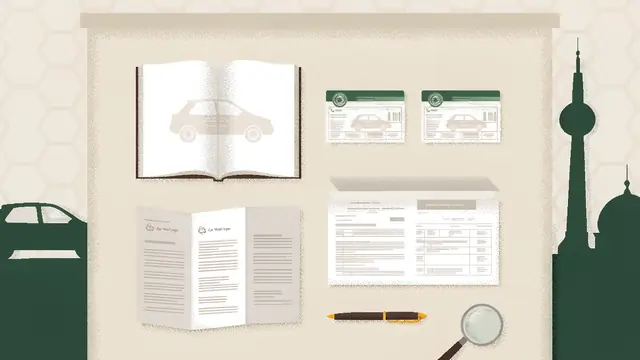
Documents required for vehicle transfer in Pakistan: registration book, CNIC copies, sale letter, token tax clearance. Check your province's checklist.
Vehicle Transfer Charges in Pakistan: How the Total Is Worked Out
Vehicle transfer charges in Pakistan combine a transfer fee, stamp duty, document issue and dues. See how the total varies and confirm it before paying.