
Verification
Vehicle Verification Charges in Pakistan: How the Cost Is Structured
Key takeaways
- Each province sets its own charges; no single national rate exists
- Online lookups often cost nothing; printed statements usually carry a fee
- Token tax, transfer and fitness charges are separate from any lookup fee
- Check the provincial schedule yourself and keep every receipt
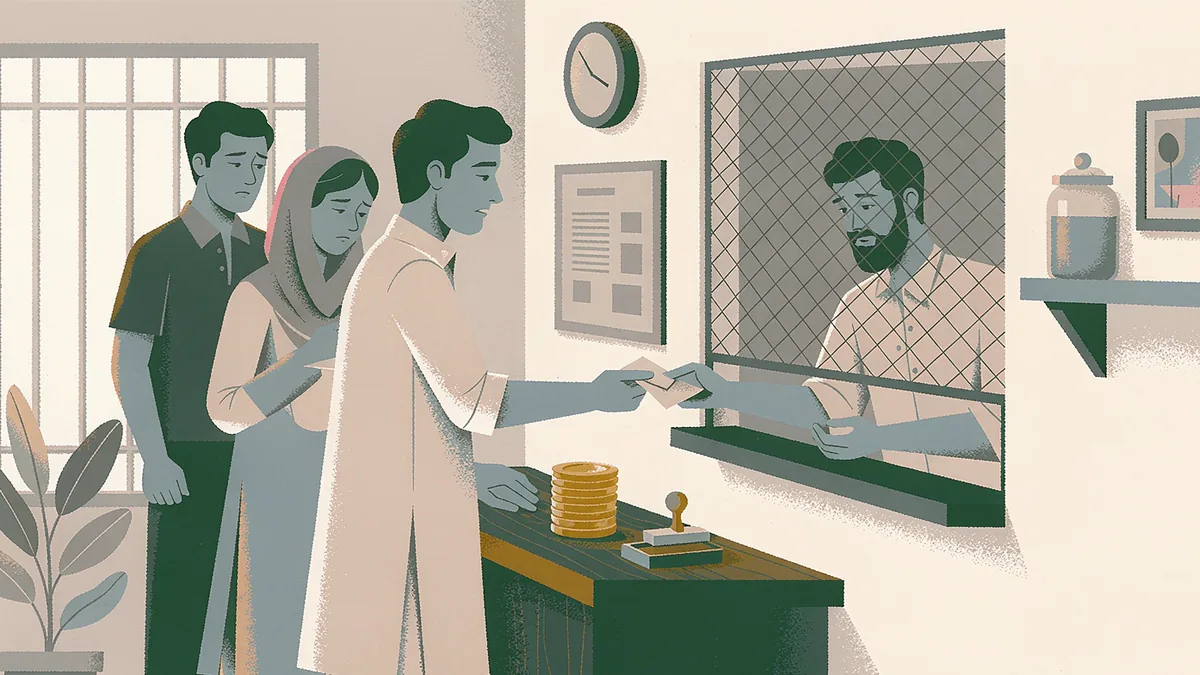
Vehicle verification charges in Pakistan are set province by province, and the common situations fall into two groups: many provinces offer a basic record lookup through their own portal at no charge, while printed statements, certificates and some counter services carry a fee. No single national rate exists, so the useful skill is understanding how the charge is put together — and how to confirm today's figure before you pay anything.
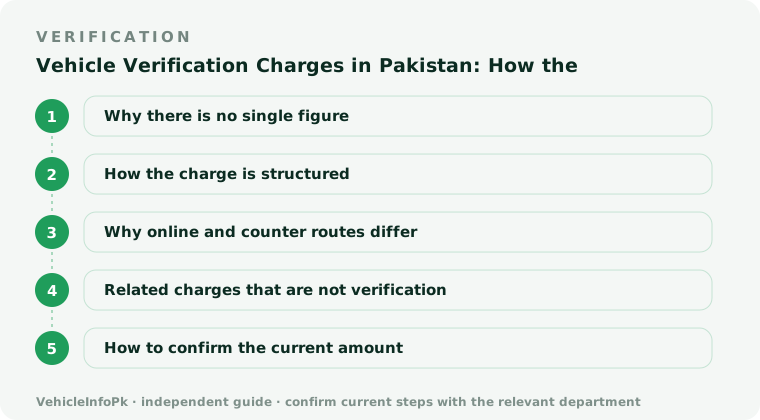
Why there is no single figure
Vehicle registration and taxation are provincial subjects. Each provincial excise and taxation department sets its own schedule for services touching the register, including any charge attached to producing a verified record. The Islamabad Capital Territory maintains its own arrangements again. A figure quoted by a friend in Lahore tells you nothing reliable about what the same request costs in Karachi or Peshawar.
Schedules also change. Departments revise service charges through budget cycles, and amounts that were accurate a year ago are regularly out of date. Any specific number printed on a forum post should be treated as a hint about the order of magnitude, not as a fact — verify it against the provincial department's current schedule.
How the charge is structured
Rather than one "verification fee", think of three cost patterns that explain most situations.
| Route | Typical structure | What you are paying for |
|---|---|---|
| Online record lookup | Often no charge; where a charge exists, a single per-lookup amount | An automated read of existing data |
| Counter or written statement | A service charge for issuing a printed or attested document | Staff time, stationery and an office record of the request |
| Agent or facilitation service | The department's charge plus the agent's own commission | Someone standing in a queue on your behalf |
The pattern behind the table is straightforward: cost tracks administrative work. An automated read imposes almost no burden, so it is commonly provided without charge. Anything requiring an officer to produce a signed document costs more, because producing an attested record allocates staff time and creates a document someone has to account for.
Why online and counter routes differ
The two routes are priced differently because they are not the same product.
- Online. A screen reading of the record, available immediately, with no officer involved. This is the low-cost or no-cost route, and it is sufficient for deciding whether to buy.
- Counter. A printed statement, sometimes stamped or attested, which some banks, insurers or courts prefer. The service charge reflects the production of a physical document.
- Payment channel add-ons. Where an online payment route is used, the channel may add its own processing charge on top of the department's amount, which is why the figure a reader sees at checkout can exceed the departmental schedule.
A service offered through a website that imitates a provincial portal is not charging you a verification fee — it is collecting payment for nothing. Confirm you are dealing with the provincial department's own service, and be cautious about entering CNIC details or card numbers anywhere else.
Related charges that are not verification
People often describe every payment made at the excise office as a "verification fee", which causes confusion. A few distinct charges sit nearby:
- Token tax. An annual charge on the vehicle itself. Unpaid years follow the vehicle into a sale, which is why checking tax status during verification matters.
- Transfer fee. Charged when ownership moves, and commonly assessed in relation to the vehicle's value or engine capacity rather than as a flat amount.
- Fitness certificate. Charged for inspection and certification, mainly for commercial vehicles and vehicles past a certain age.
- Number plate and smart card charges. Production costs for physical items issued against the record.
Each is set provincially and each is separate from any lookup charge, so a quote covering several of them should be itemised.
How to confirm the current amount
Confirming the figure takes one step and should happen before you pay rather than after.
- Check the provincial excise and taxation department's current schedule of charges, published by the department itself.
- Ask the counter dealing with the service for the applicable charge and whether a receipt will be issued against it.
- Request an itemised breakdown so you can see which component is the department's charge and which is a payment channel or agent addition.
- Always collect a receipt, and keep it with the vehicle file — it evidences what you paid and to whom.
Run the free or lowest-cost provincial lookup first, since it answers nearly every question a buyer needs answered, and only pay for a printed statement when an institution specifically asks for one.
Keep reading
How to Verify Vehicle Ownership Online in Pakistan
Verify vehicle ownership online by registration number: see what the provincial lookup returns, which fields to match, and what the result means.

How to Verify a Used Car Before Buying in Pakistan
Before you pay for a used car: documents, engine and chassis number matching, verification lookup, token tax status, seller CNIC and sale letter.

Which Documents and Numbers You Need Before a Vehicle Verification
Vehicle verification needs your registration number, owner CNIC and chassis number. See why each is required and what to do if one is missing.