
Verification
Vehicle Verification vs Registration: What Each One Actually Changes
Key takeaways
- Verification is a read-only check; registration creates or rewrites the record
- Anyone with a registration number can verify; only owners can register or transfer
- A verification naming the seller after payment is normal while a transfer is pending
- Proof of transfer is the updated record and a smart card in your name
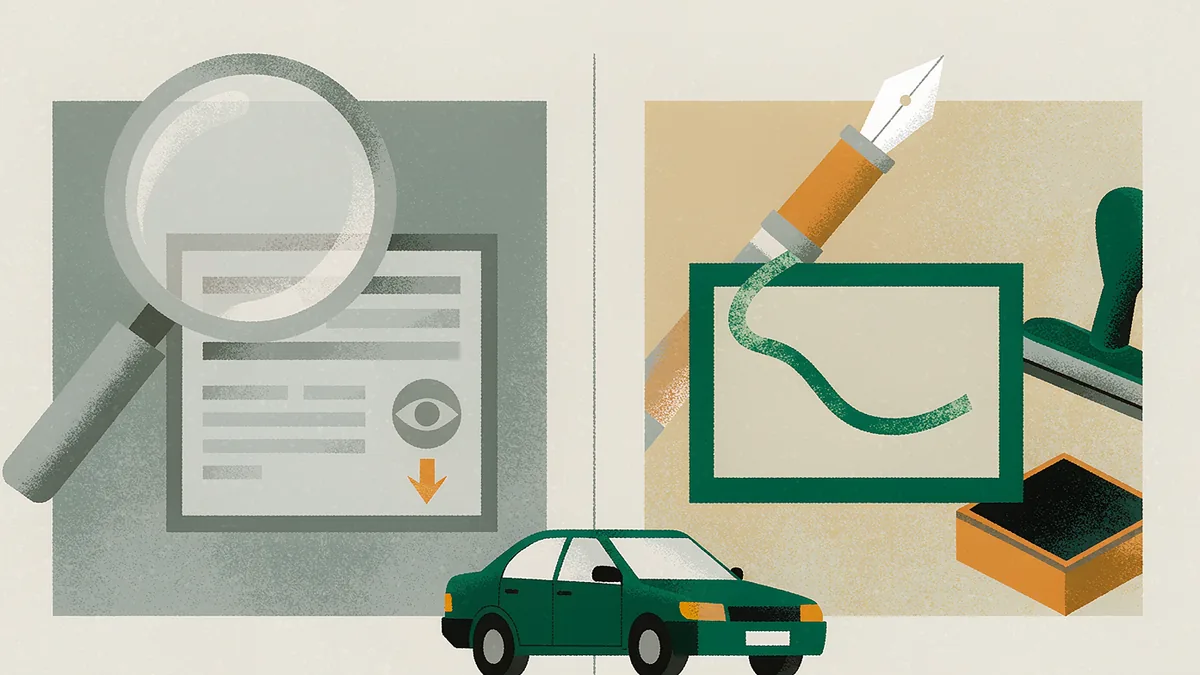
Verification reads a vehicle record; registration writes to it. That is the whole difference. Verification confirms what the provincial database currently says about a vehicle — who it is recorded against, whether the tax is current, whether a transfer is pending. Registration is the act of entering a vehicle into that database for the first time, and it ends with a registration number, a registration book or smart card, and an owner. One leaves the record untouched, the other creates or changes it.
What verification actually does
A verification lookup pulls a read-only view of the record held by the provincial excise and taxation department. You supply a registration number or CNIC and receive what that department currently has on file.
- The name of the person recorded as owner.
- Vehicle class, make, year of manufacture and engine capacity.
- Token tax status for the current and recent years.
- In some provinces, whether a transfer is in progress, or whether the vehicle carries outstanding challans.
Nothing is created and nothing is altered. The check leaves the record exactly as it found it, which is why it can be run repeatedly by anyone with the registration number.
What registration actually does
Registration is the administrative event that puts a vehicle into the record, whether it is an unregistered import, a locally manufactured vehicle bought new, or a vehicle being brought into a province from another. It requires an application, an inspection of the vehicle, payment of the registration charge and applicable taxes, and issuance of a registration book or smart card in the owner's name.
The transfer of ownership that follows a sale is a close relative of registration: it does not create a new record, but it rewrites the owner field on an existing one. Both share the defining feature that separates them from verification — they end with the database being different from how it started.
Who initiates each one
Verification can be initiated by anyone who has the key. A buyer, an insurer, a bank assessing a vehicle for finance, a police officer at a checkpoint — all can read the record without the owner's involvement or permission.
| Verification | Registration or transfer | |
|---|---|---|
| Who starts it | Anyone with the registration number or CNIC | The owner, or both parties together for a transfer |
| Physical presence | Usually not required online | Normally required, with the vehicle present |
| What changes | Nothing | The owner and status fields on the record |
| Result issued | A screen reading, sometimes printable | A registration book, smart card or updated record |
| Seller cooperation needed | No | Yes, for a transfer |
What each one costs in principle
The two sit at very different points on the cost scale, and the reason is structural rather than arbitrary. Verification imposes almost no administrative burden: it is an automated read of data already held, so many provinces provide it through their portal at no charge. Where a charge exists, it is set by each province and usually reflects either a per-lookup convenience fee charged through a payment channel or a counter fee when a staffed office produces a printed statement.
Registration carries real administrative work — inspection, data entry, card production, record creation — and its cost is correspondingly larger. It is usually structured as several components rather than one figure: the registration charge itself, the number plate cost, applicable provincial tax, and, for transfers, a transfer fee often assessed as a proportion of the vehicle's value. Every one of these is set provincially, so the same transaction costs different amounts in Punjab, Sindh, Khyber Pakhtunkhwa, Balochistan and the Islamabad Capital Territory. Confirm the current schedule with the relevant provincial department before paying.
Why a verified record is not proof of transfer
This is the misunderstanding that costs buyers the most. Running a verification after paying for a vehicle feels like confirmation, but it confirms nothing about the transfer, because the transfer has probably not happened yet. The record still names the seller, and it will keep naming them until a transfer application is submitted, processed and entered.
A verification showing the seller's name after you have paid is normal, not alarming. A verification showing the seller's name months later, with no transfer application submitted in the meantime, is the real warning sign.
Transfers also take time to appear even once submitted, so a recently completed transfer can leave the record briefly out of date. The documentary proof of a completed transfer is not a verification screen: it is the transfer application receipt followed by a registration book or smart card issued in your name.
Use verification to decide whether to buy, and use registration and transfer to make the purchase legally yours — then confirm the transfer has landed by checking that the record, not just the paperwork, carries your name.
Keep reading
How to Verify Vehicle Ownership Online in Pakistan
Verify vehicle ownership online by registration number: see what the provincial lookup returns, which fields to match, and what the result means.
How to Verify a Used Car Before Buying in Pakistan
Before you pay for a used car: documents, engine and chassis number matching, verification lookup, token tax status, seller CNIC and sale letter.

Which Documents and Numbers You Need Before a Vehicle Verification
Vehicle verification needs your registration number, owner CNIC and chassis number. See why each is required and what to do if one is missing.