
Traffic Rules
Traffic Rules in Pakistan Every Driver Should Know: Signalling, Speed Limits, Right of Way and Mobile Phones
Key takeaways
- Signal several seconds before any turn or lane change, not during it.
- Posted signs set the limit; heavy vehicles usually face lower limits than cars.
- Give way to traffic already circulating in a roundabout.
- Handheld phone use while driving is an offence, even at a red light.
The core traffic rules every Pakistani driver is expected to know cover signalling and lane discipline, speed limits, right of way at roundabouts and junctions, pedestrian crossings, and mobile phone use. Most collisions and most traffic challans come from failures in these five areas rather than from anything unusual, so mastering them is the largest single improvement most drivers can make.
Signalling and lane discipline
Signal early and clearly, every time you turn, change lane, merge, pull over or move off from the roadside. A signal given at the same moment you start to turn tells nobody anything; give it several seconds before the manoeuvre and keep it on until you have completed it. Cancel it afterwards so you do not mislead the drivers behind you.
- Keep to one lane and change lanes one at a time, rather than drifting across two.
- On multi-lane roads, slower traffic keeps left and faster traffic overtakes on the right.
- Never overtake from the left or from the hard shoulder.
- Leave a following gap of at least two seconds, doubled in rain or at night.
- Do not weave between lanes to gain a few vehicle lengths in congestion.
Speed limits
Speed limits in Pakistan vary by road type and by vehicle class, and the applicable limit is the one posted on that road. Motorways, national highways, urban roads and residential streets each carry different limits, and heavy and commercial vehicles are often restricted to lower limits than cars. Posted signs always override your assumption about what the limit "usually" is.
A limit is a maximum, not a target. Rain, fog, darkness, heavy traffic, poor road surface and loaded vehicles all require a lower speed than the sign permits.
Roundabouts and right of way
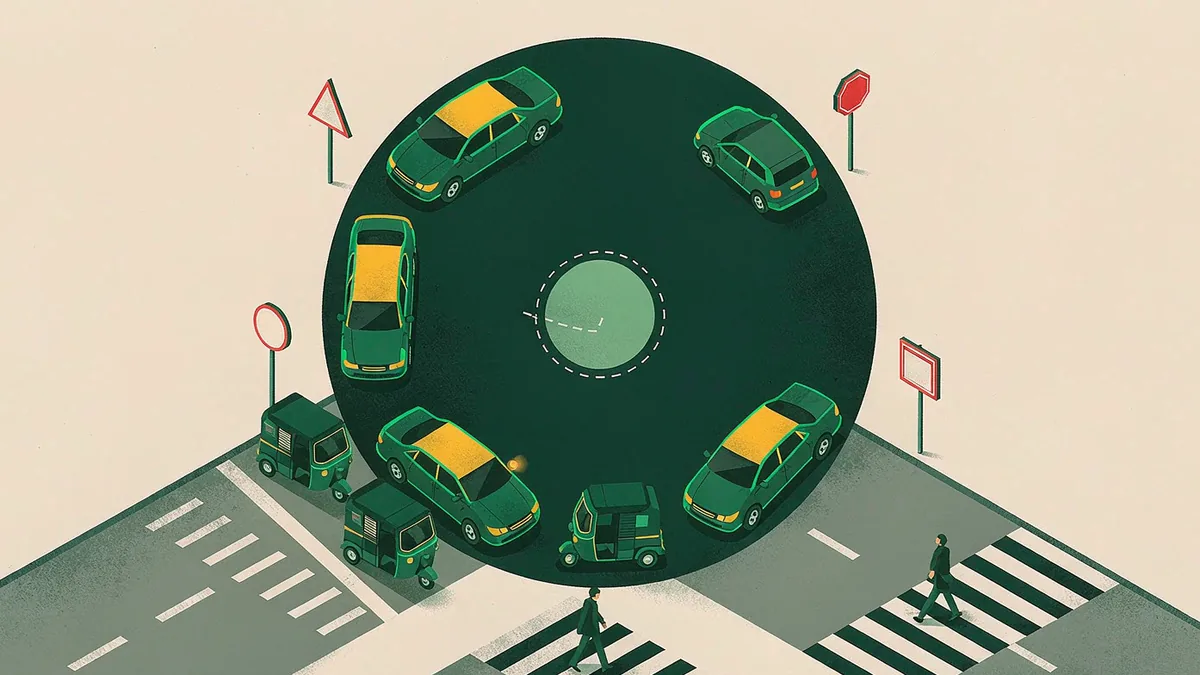
At a roundabout, traffic already circulating has priority. Enter only when there is a safe gap, keep left around the circle, and signal as you approach your exit so drivers waiting to enter know what you intend. Do not stop inside the roundabout to let someone in, and do not change lanes within it.
At uncontrolled junctions, the vehicle on the major road generally has priority, and at four-way junctions of equal status the vehicle approaching from the right is commonly given way to. In practice, the safest habit is to slow, make eye contact where you can, and yield rather than insist — priority rules do not repair damage.
Pedestrian crossings
Pedestrians have the right of way at marked crossings, zebra crossings and signalised crossings. Slow down on approach to any crossing, stop when a pedestrian is on or stepping onto it, and do not overtake another vehicle that has stopped at a crossing — the vehicle in front may have stopped for someone you cannot see.
Extra care is required near schools, markets, bus stops and mosques at prayer times, where people step into the road without looking. Expect pedestrians and animal-drawn traffic on the same carriageway on many urban routes and drive at a speed that lets you stop.
Mobile phones and distraction
Using a handheld mobile phone while driving is an offence and is treated as a serious one. That includes calling, texting, browsing, checking social media or holding the phone at your ear while the vehicle is moving, including while stopped at a signal with the engine running. If you must use the phone, pull over somewhere safe and legal first, or use a properly mounted hands-free setup that does not require you to hold the device.
Other distractions matter just as much: adjusting the music, eating, arguing with passengers, and looking at screens all take attention off the road. Set your route and mirrors before you move off.
| Situation | What the rules expect |
|---|---|
| Lane change or turn | Signal early, one lane at a time, cancel after |
| Overtaking | From the right only, with a clear view ahead |
| Roundabout | Give way to circulating traffic, keep left |
| Zebra crossing | Stop for pedestrians on or entering it |
| Mobile phone | Not in hand while driving; stop safely to use it |
Pick one of these areas to work on deliberately over your next week of driving — signalling earlier is usually the easiest improvement to make and the one other road users notice first.
Keep reading
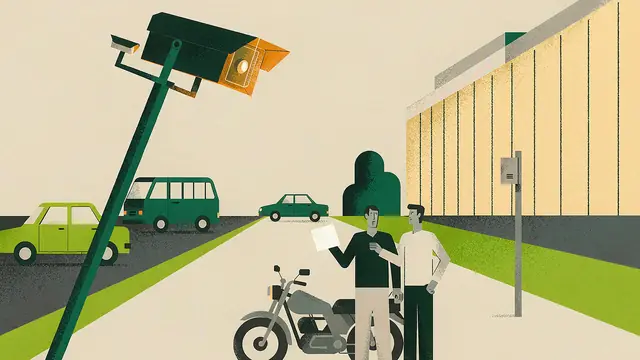
Traffic Challans in Pakistan: What Triggers One, How to Check and Pay an e-Challan, and How to Dispute a Wrong Entry
Understand how traffic challans work in Pakistan: what triggers an e-challan, how to check your vehicle or licence, how to pay and how to dispute one.
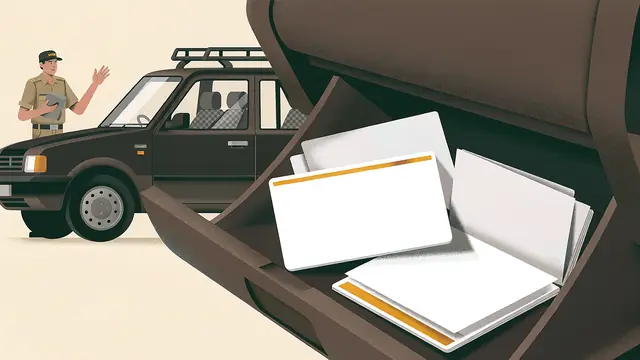
Documents to Carry While Driving in Pakistan: Licence, Registration, Insurance, Token Tax and What to Do If One Is Lost
Which documents Pakistani drivers should carry: licence, registration, insurance, token tax proof, fitness certificate and the right way to replace a lost one.
Seat Belt and Helmet Rules in Pakistan: Requirements for Drivers, Passengers, Children and Motorcyclists
Seat belt and helmet rules in Pakistan for drivers, front passengers, children and motorcyclists, plus the safety reasons behind each requirement.