
Token Tax
How to Check Token Tax Status in Pakistan and Fix a Record Mismatch
Key takeaways
- Check the record against the registration number, not against your receipts alone.
- Posting delays, mistyped numbers and wrong periods cause most unpaid records.
- Trace the first payment with proof before paying a second time.
- Verify status before a transfer and before a fitness inspection.
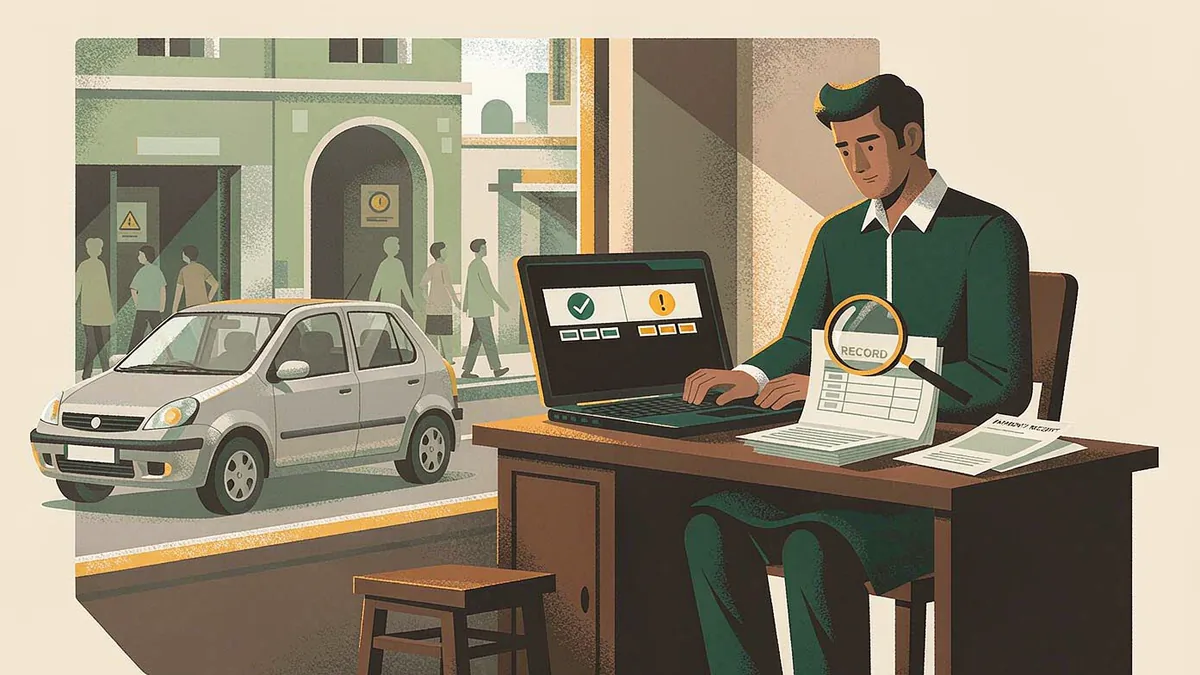
You can confirm whether token tax has been paid for the current year by checking the vehicle's record against its registration number through your provincial excise and taxation department's official channel, or by asking at the department's counter with the registration book or smart card. The check matters because the department works from its own record, not from your receipts. This guide covers the ways to check, why a paid year can still appear unpaid, and how to fix a mismatch before it blocks a transfer or a fitness certificate.
Ways to check your token tax status
- The provincial department channel. Most provinces offer a record lookup against the registration number, showing the periods that are paid and any that are outstanding. This is the fastest check and the one to use before a sale.
- The department counter. Take the registration book or smart card and the owner's CNIC and ask for the current position. Slower, but useful when an online record looks wrong, because staff can see the underlying entries.
- Your own payment record. Your paid challans and bank receipts tell you what you paid and for which period. Compare this against the official record; where they disagree, the receipts are your starting evidence.
Provinces run separate systems. A vehicle registered in one province and regularly used in another is still checked against the record of the registering province. Use that province's channel, and have the registration number exactly as printed on the book.
Why a record can look unpaid
A record that shows unpaid when you have paid is common, and almost always has an ordinary explanation.
- Posting delay. A payment made at a branch or through banking can take a few working days to reach the vehicle record. Check again before you treat it as a problem.
- Wrong identifier. A mistyped registration number posts the payment against another vehicle. Your money is traceable, but your vehicle stays unpaid.
- Payment made for the wrong period. Paying the current year while an earlier year is outstanding leaves the record showing a gap.
- Transfer not completed. Where a vehicle was sold and the transfer never filed, payments made by the buyer may be posted against a different owner record than the one being checked.
- Old data. Vehicles with a long history sometimes carry duplicate or legacy entries that need reconciliation at the department.
How to fix a mismatch
- Wait out the posting window. Re-check after a few working days; many apparent gaps close on their own.
- Gather proof. Collect the paid challan, the stamped bank slip or the transaction reference, and note the date, amount and period.
- Confirm where the payment landed. If you can retrieve a transaction record showing the registration number it was posted against, that tells you whether it was a delay or a misposting.
- Approach the department with the proof. Ask for the payment to be traced and reflected against the vehicle record. A receipt showing a valid reference is usually enough.
- Only then consider paying again. If the payment genuinely cannot be traced, settle the outstanding period and keep both records, noting which payment was disputed.
Do this in order. Paying a second time before the first payment is traced is how owners end up with two payments and one still-unpaid record.
Check status before a transfer or fitness
Token tax position is checked at two of the moments that matter most to an owner.
Before a transfer. Outstanding token tax is normally cleared as part of the transfer file, so a buyer should check the record before agreeing a price and certainly before attending the counter. The parties should then agree in writing who clears any arrears.
Before a fitness certificate. Commercial vehicles and older vehicles in several provinces require a fitness certificate, and the paid status of the vehicle is part of that check. An unpaid period discovered on the day of inspection means rebooking.
A seller should also check the record before handing over a vehicle, because a clean printout of the paid position is a straightforward way to show a buyer that the vehicle is in order.
Check your vehicle's token tax position through your provincial department's channel and compare it with your own receipts. Where the two disagree, take the receipts to the department and have the record corrected before you need it for a transfer or fitness inspection.
Keep reading
Token Tax in Pakistan: What It Is, Who Pays and How It Is Calculated
Token tax in Pakistan is the annual provincial road tax on a registered vehicle, charged by engine size or category. Rates differ in every province.
How to Pay Token Tax in Pakistan: Branch, Online Banking and Portal
Pay token tax in Pakistan by bank payment slip, online or mobile banking, or the provincial portal. Always keep the paid challan as proof of payment.
Token Tax Categories in Pakistan: Private, Commercial and Public Transport Vehicles
Token tax categories in Pakistan split private, commercial and public transport vehicles into separate provincial schedules with different annual rates.